Location: Home kitchen, United States (RecipeTin Eats soy sauce guide, with current nutrition listings)
Soy Sauce: Types, When to Use What, Substitutes and Nutrition
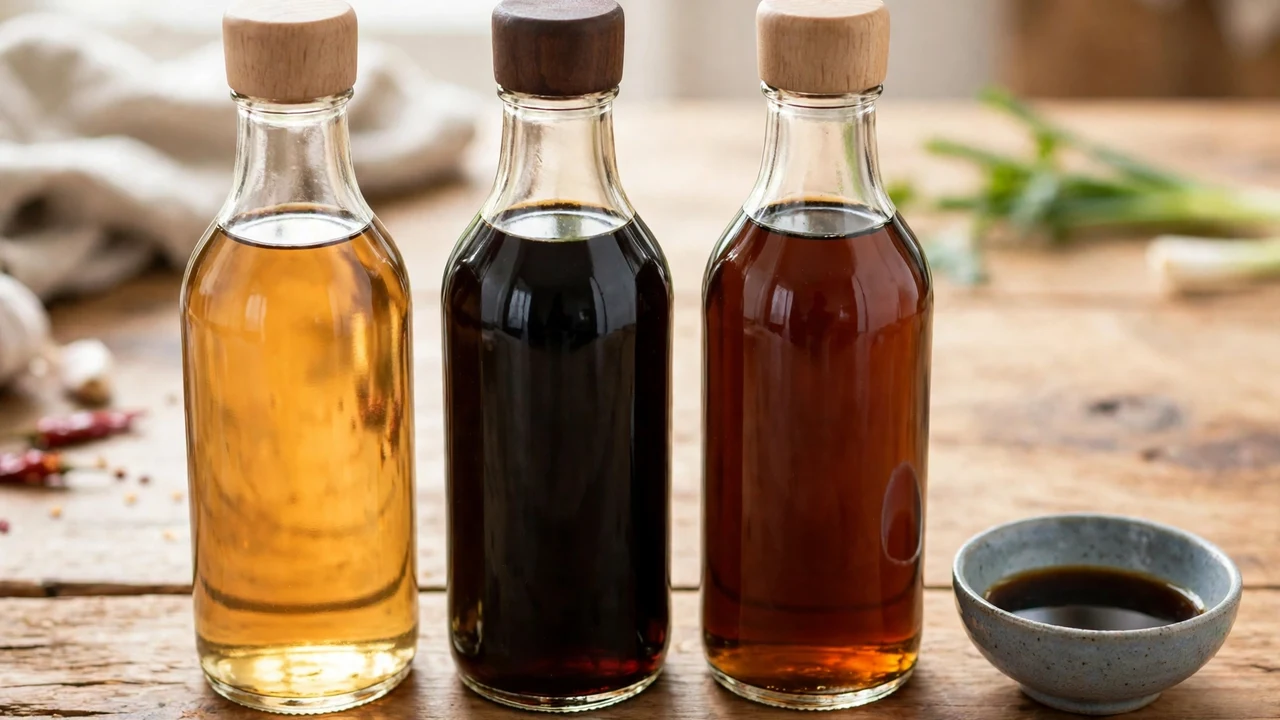
Soy sauce looks simple, one dark bottle on the shelf, but using the wrong type is the fastest way to ruin a stir fry. Dark soy sauce is strong enough to overpower a whole dish, light soy sauce adds salt without color, and the bottle that just says soy sauce is the all purpose one most recipes mean. This guide explains the three main types, the three golden rules from the RecipeTin Eats guide, when to use each one, the best substitutes, and the nutrition figures, so you buy the right bottle the first time.
Soy Sauce at a Glance
| Item | Detail |
| Guide source | RecipeTin Eats, Soy Sauce, published July 1, 2020, updated July 2, 2025 |
| Main types | Light, dark, and all purpose (also called normal or standard) |
| Calories | About 8 to 10 per tablespoon |
| Sodium | About 880 to 1000 mg per tablespoon, regular soy sauce |
| Gluten free | No, most soy sauces are not gluten free. Tamari usually is. |
| Storage | Pantry, cool and dark. Keeps for months after opening, see the storage section. |
| Price estimate | About $3 to $5 for a standard bottle, 2026 United States grocery prices, estimate only |
Why We Researched This Guide
Almost every Asian recipe in our other guides calls for soy sauce, from fried rice to stir fries to dipping sauces, and the same question comes up every time: which bottle? The RecipeTin Eats guide is the clearest answer we found, because it gives three rules you can remember in the store and explains why dark soy sauce ruins dishes when it is used by mistake. We researched it to answer the four questions in the plan: what do I need, how long does it take, can I make it ahead, and how do I store it, adapted here to a pantry guide instead of a recipe.
The Three Types and What They Cost
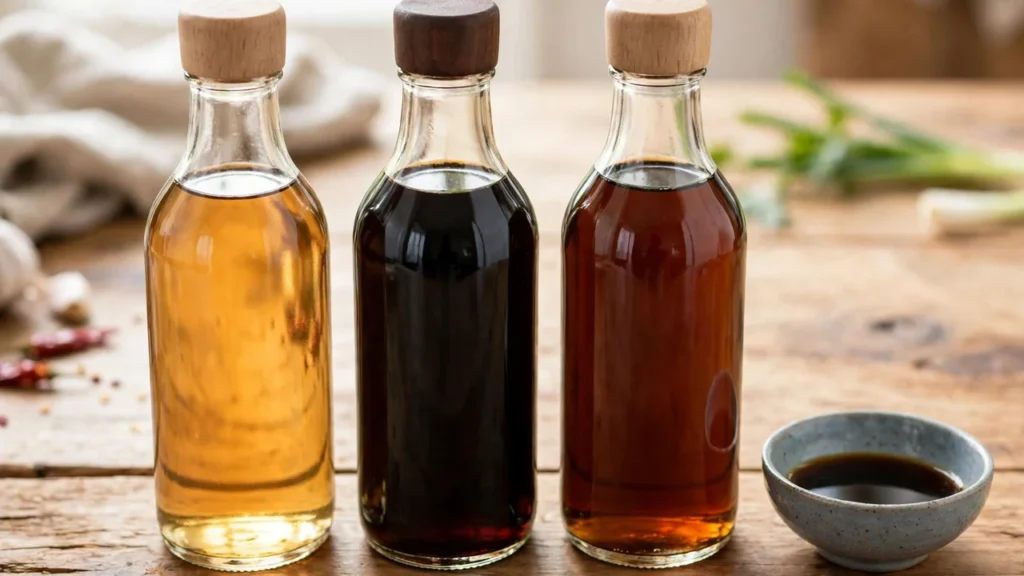
There are three main types, and the table below is the whole guide in one place. Prices are 2026 United States grocery estimates for a standard bottle, not a quote from any one store, and they vary by brand, size, and store.
| Type | What it does | Sodium | 2026 estimate |
| Light soy sauce | Adds salt, little color, light soy flavor | About 7.2 percent | About $3 to $5 |
| Dark soy sauce | Adds strong flavor and deep mahogany color | About 9.3 percent | About $3 to $5 |
| All purpose soy sauce | The standard bottle, a little more soy flavor than light | About 7 percent | About $3 to $5 |
| Tamari, gluten free option | Rich, dark, slightly thicker, good for dipping | About 850 to 920 mg per tablespoon | About $4 to $6 |
| Low sodium soy sauce | Same flavor, 30 to 40 percent less sodium | About 500 to 600 mg per tablespoon | About $3 to $5 |
Three golden rules, from the RecipeTin Eats guide. First, you can swap light soy sauce and all purpose soy sauce in recipes. Second, if a recipe just says soy sauce, use an all purpose or light soy sauce. Third, never use dark soy sauce unless a recipe specifically calls for it, because it is overpoweringly strong.
Our Food Review
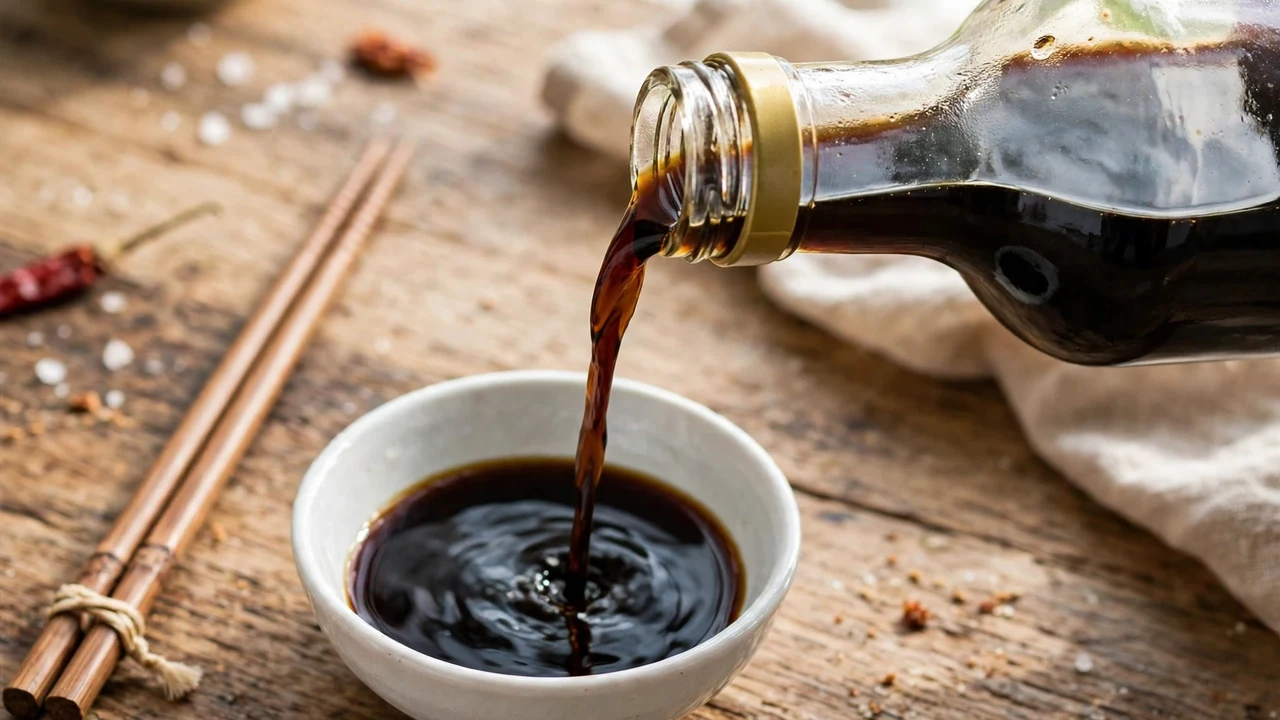
Soy sauce is umami in a bottle, and the difference between the types is real enough to taste blind. Light soy sauce tastes saltier than dark soy sauce, even though dark soy sauce has more salt in it, because the strong soy flavor of dark sauce overpowers the salty taste. That is the trivia the RecipeTin Eats guide calls out, and it explains why recipes often call for both: dark sauce for color and flavor, light sauce to top up the saltiness without adding more soy flavor or color.
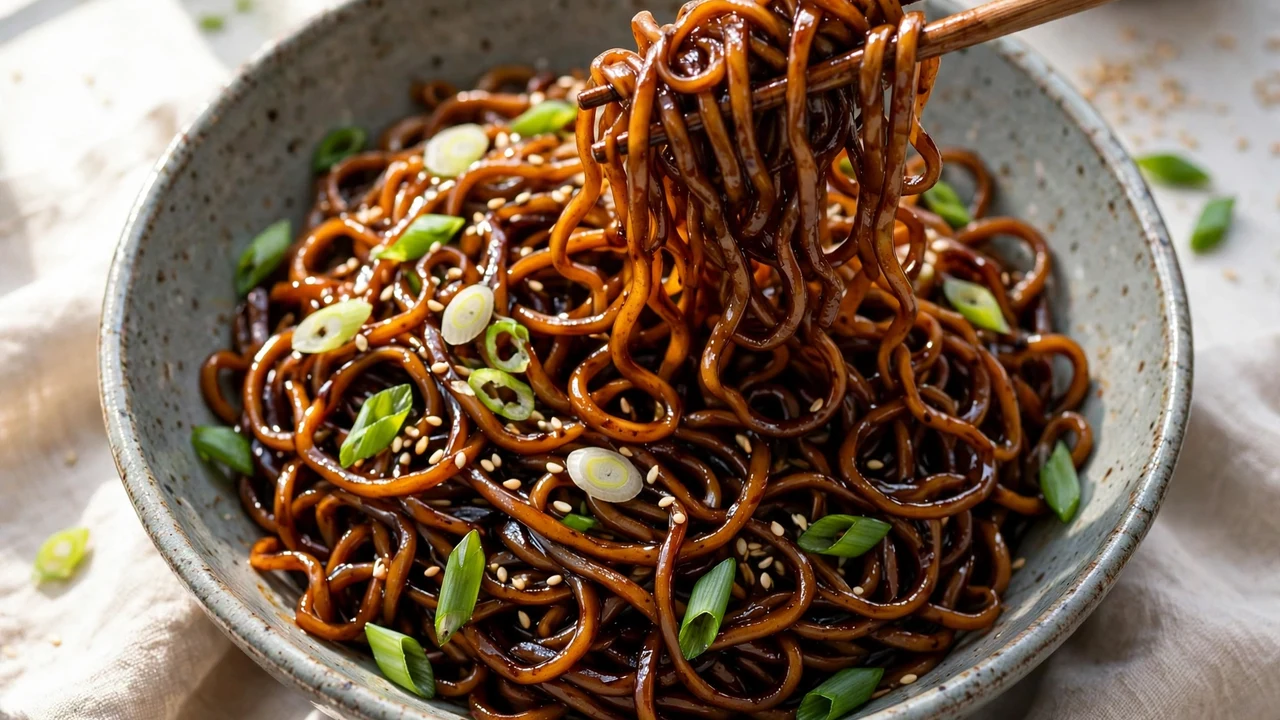
In a noodle dish, the right combination gives you the glossy mahogany color of a restaurant lo mein. In a clear soup or a fried rice where you want the rice to stay white, light or all purpose sauce is the right call, and dark sauce would turn the whole dish brown and bitter. Get the type wrong and the dish still cooks, but the flavor and the look both land in the wrong place.
Dark Soy Sauce in Noodles and Braises
Dark soy sauce is for color and flavor. It gives lo mein noodles their mahogany stain, and it belongs in the dark, spicy Sichuan sauce of Kung Pao Chicken, in Thai Basil Chicken, and in Pad See Ew. Use it when the recipe names it, and measure it, because a heavy hand makes the dish taste of soy sauce and nothing else.
Light and All Purpose Soy Sauce in Stir Fries and Soups
Light and all purpose soy sauce add seasoning without overwhelming the dish with strong soy flavor or a dark color. Use them in chow mein, in clear Chinese soup broths, to keep fried rice white, or when you want a clear sauce for stir fries like Chop Suey or Cashew Chicken. If your recipe just says soy sauce, this is the bottle it means.
Soy Sauce as a Dipping Sauce
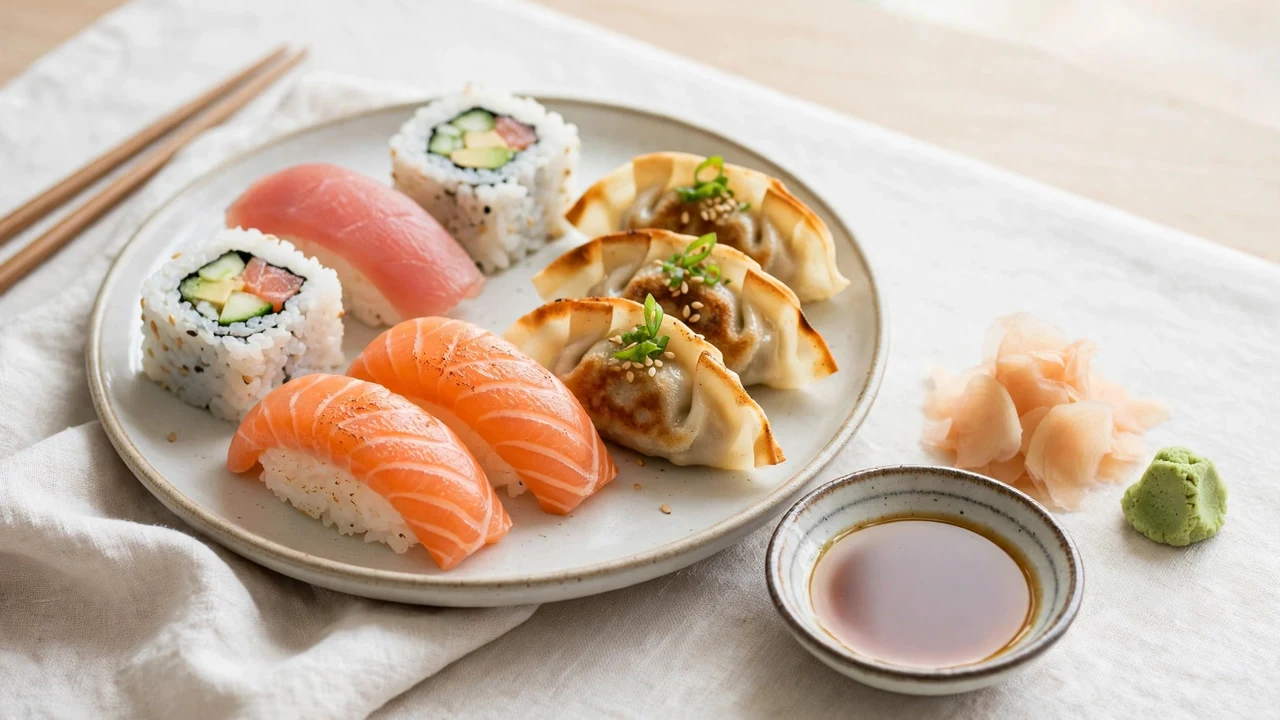
For dipping, use light or all purpose soy sauce, never dark, because dark is too strong. Sushi, dumplings, and spring rolls all take a small dish of light sauce, and tamari is the classic choice for sashimi because it is rich, dark, and slightly thicker. A little sliced chili or grated ginger in the dish is all the extra flavor you need.
Picky Eats
Soy sauce is a strong flavor, so picky eaters do best when it is used as a seasoning inside a dish rather than as a sauce on top. If someone finds it too salty, use low sodium soy sauce, which cuts the sodium to about 500 to 600 mg per tablespoon, or dilute a little sauce with water or stock. For gluten free eaters, buy tamari and check the label, because some tamari brands still include a small amount of wheat. Coconut aminos are another gluten free option, with much lower sodium at about 90 mg per tablespoon, though they taste slightly sweet and cost more.
Parents Review and Family Tips
Keep one bottle of all purpose soy sauce in the pantry and you can cook almost any Asian recipe a family asks for. Buy dark sauce only when a recipe calls for it, and label the bottle so nobody grabs it by mistake. For kids, put the dipping sauce in a small dish on the side instead of pouring it over the food, so they control the salt. And keep the bottle out of reach of small children, because one tablespoon holds about 900 mg of sodium, which is close to half the daily limit for an adult.
Nutrition and Carbohydrate Information
Soy sauce is very low in calories and very high in sodium, and that is the whole nutrition story. The RecipeTin Eats guide does not publish a nutrition panel, so the figures below come from current nutrition listings checked in October 2026, and they disagree slightly by brand, because sodium varies between makers. Treat them as a guide, not a label.
| Per 1 tablespoon, 15 ml | Calories | Carbs | Protein | Fat | Sodium |
| Regular soy sauce | About 8 to 10 kcal | About 1 g | About 1 g | About 0 g | About 880 to 1000 mg |
| Low sodium soy sauce | About 8 to 10 kcal | About 1 g | About 1 g | About 0 g | About 500 to 600 mg |
| Tamari | About 10 to 16 kcal | About 1 to 1.5 g | About 1.8 to 2.2 g | About 0 g | About 850 to 920 mg |
Source and method: nutrition figures from current listings checked in October 2026, including USDA based FatSecret entries for soy sauce and low sodium soy sauce, plus a soy sauce macros guide. The sodium percentages for the three types, 7.2 percent for light, 9.3 percent for dark, and 7 percent for all purpose, come from the RecipeTin Eats guide, which notes they are indications only because they differ between brands. One tablespoon of regular soy sauce holds about 38 to 43 percent of the recommended daily sodium limit for most adults, so portion control matters more than calories here.
What to Know Before You Buy
- If a recipe just says soy sauce, buy all purpose or light. Never buy dark sauce as your only bottle.
- Check the label for wheat if you need gluten free. Most soy sauces are made partly from wheat, and tamari is the usual gluten free choice, though some brands still include a little wheat.
- Other types exist, and they are not everyday bottles: kecap manis is a sweet Indonesian soy sauce with a syrupy texture, and mushroom soy sauce adds earthy mushroom flavor and works as a dark sauce substitute.
- Store soy sauce in a cool, dark pantry. It keeps for months after opening, and refrigeration is not required, though it slows flavor loss.
- Substitutes when you run out: tamari is the closest swap, coconut aminos are lower sodium and slightly sweet, fish sauce adds strong umami in small amounts, and thinned miso paste works in a pinch.
Is It Worth Buying
Yes, and it is the cheapest upgrade in the pantry. One bottle of all purpose soy sauce costs about $3 to $5 and lasts for months, and it turns plain rice, noodles, eggs, and vegetables into a finished dish. The only mistake that costs real money is buying dark sauce first, because it cannot do the job of the all purpose bottle, and you will end up buying a second bottle anyway.
Frequently Asked Questions
What ingredients do I need for soy sauce?
You do not make soy sauce at home for everyday cooking, you buy it. What you need is the right type: all purpose soy sauce for most recipes, light soy sauce as a swap, and dark soy sauce only when a recipe calls for it by name.
How long does soy sauce last?
An opened bottle keeps for months in a cool, dark pantry, and unopened bottles keep much longer. The exact time depends on the brand and the storage, so check the date on the bottle and keep it away from heat and sunlight.
Can I make soy sauce ahead of time?
Soy sauce is a pantry staple, not a recipe you make ahead. What you can prepare ahead is a dipping sauce or marinade made with soy sauce, which keeps covered in the refrigerator for several days.
How do I store leftover soy sauce?
Keep the bottle closed in a cool, dark pantry. Refrigeration is not required, though it slows flavor loss after opening. Keep it away from the stove, because heat speeds up flavor loss.
Is soy sauce gluten free?
No, most soy sauces are not gluten free, because most are made partly from wheat. Tamari is traditionally made from soy beans only and is the usual gluten free choice, though some brands still include a small amount of wheat, so always check the label.
What can I use instead of soy sauce?
Tamari is the closest swap, coconut aminos are lower in sodium at about 90 mg per tablespoon and slightly sweet, fish sauce adds strong umami in small amounts, and miso paste thinned with water works in a pinch. Expect a different flavor from each one.
Related Food Guides
- The BEST Easy Fried Rice Recipe (Ready in 15 Minutes!) Full Guide
- Classic Pico de Gallo Recipe: Ingredients, Steps, Nutrition and Tips
- Applebee’s 12oz Ribeye: Price, Calories and Full Guide (2026)
- How To Fix Slow Cooker Recipes Prices, Calories, Recipe and Full Guide (2026)
- Easy Homemade Lasagna Recipe Full Guide
Sources and Review Notes
Sources: RecipeTin Eats, Soy Sauce, different types, when to use what, best substitutes, published July 1, 2020, updated July 2, 2025, https://www.recipetineats.com/soy-sauce/. Nutrition cross-check: current listings checked in October 2026, including USDA based FatSecret entries for soy sauce and low sodium soy sauce and a soy sauce macros guide. What was researched: the full RecipeTin Eats guide text, the three types and their sodium percentages, the three golden rules, the uses for each type, the gluten free note, and the other varieties, plus nutrition figures and substitutes from current listings. Nothing was invented. Prices are labeled 2026 grocery estimates. The plan’s question map for this row assumed a recipe, but the source page is a pantry guide, so this post is written as a guide, the same adaptation used for the Slow Cooker fix guide in plan post 6.