Location: Home kitchen, United States (Cookie and Kate classic recipe, Kansas City)
Classic Pico de Gallo Recipe: Ingredients, Steps, Nutrition and Tips
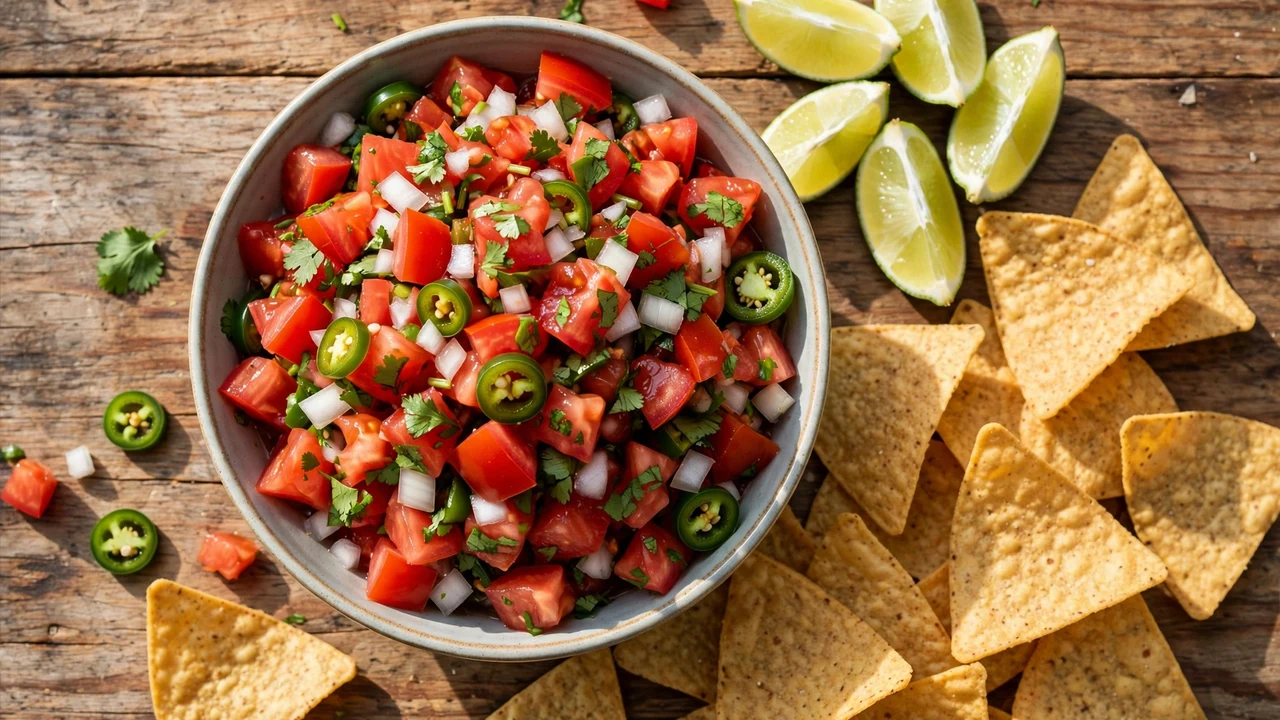
Classic pico de gallo is the freshest salsa you can make at home, and it takes about 20 minutes from chopping board to bowl. Five ingredients, plus salt, give you a chunky, bright Mexican dip that works on tacos, nachos, eggs, and plain tortilla chips. This guide follows the Cookie and Kate classic recipe, which carries a 4.9 star rating from 252 reviews, and adds the nutrition figures, cost estimate, storage times, and serving ideas you need before you chop a single tomato.
Classic Pico de Gallo at a Glance
| Item | Detail |
| Recipe | Classic Pico de Gallo, Cookie and Kate |
| Yield | About 4 cups, about 8 servings |
| Prep time | About 20 minutes, including the 15 minute rest |
| Cook time | None, this is a no cook recipe |
| Ingredients | 5, plus salt: tomatoes, white onion, jalapeno, cilantro, lime, salt |
| Rating | 4.9 stars from 252 reviews on the source page |
| Storage | Refrigerator, covered, up to 4 days |
| Cost estimate | About $4 to $6 for one batch, 2026 United States grocery prices, estimate only |
Why We Researched This Recipe
Pico de gallo is one of the most searched Mexican condiments, and it is also one of the easiest to get wrong. Sad pink tomatoes, big onion chunks, or a bowl swimming in tomato juice turn a fresh dip into a chore. The Cookie and Kate version is the classic to test first because it is short, it has two small technique tricks that cost no extra time, and hundreds of readers have rated it. We researched it to answer the four questions every cook asks: what do I need, how long does it take, can I make it ahead, and how do I store the leftovers.
What You Need and What It Costs
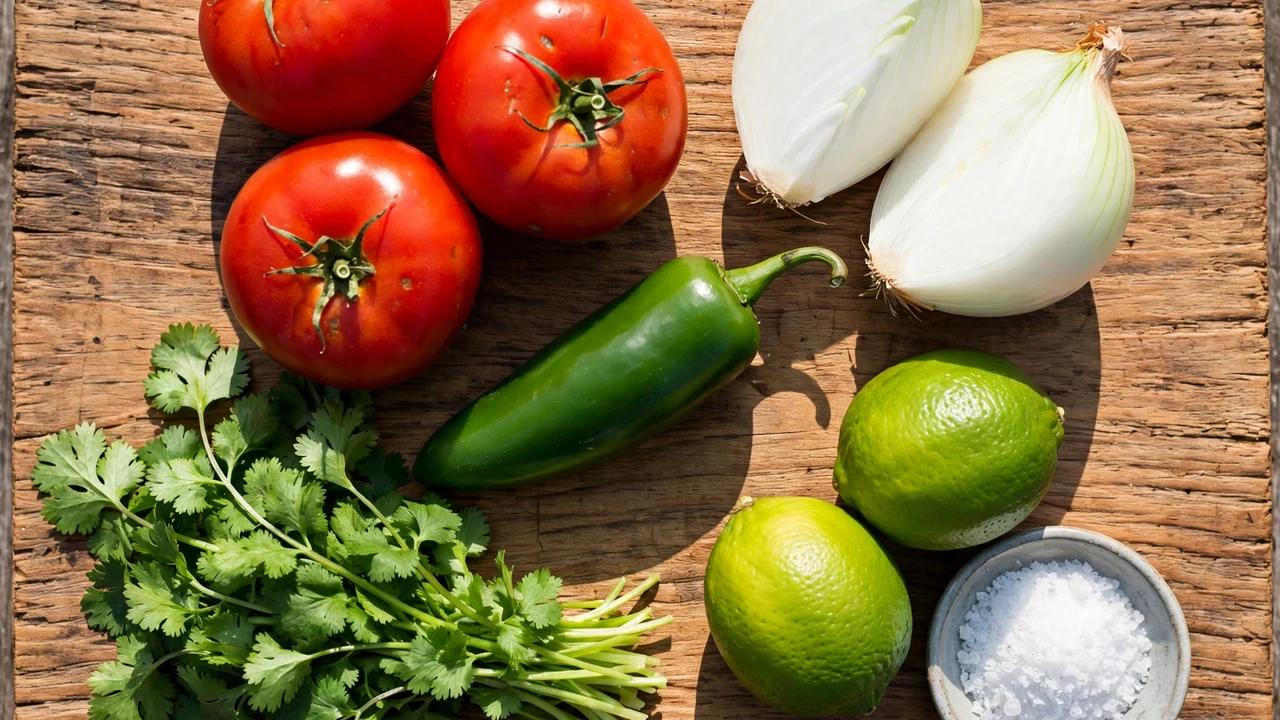
The recipe needs six items from the store, and most home cooks already have salt and limes. Prices below are 2026 United States grocery estimates, not a quote from any one store, and they vary by season and region.
| Ingredient | Amount | 2026 estimate |
| Ripe red tomatoes | 1 1/2 pounds, about 8 small or 4 large | About $2 to $3 |
| White onion | 1 cup finely chopped, about 1 small onion | About $0.50 |
| Jalapeno or serrano pepper | 1 medium, ribs and seeds removed, finely chopped | About $0.30 |
| Fresh cilantro | 1/2 cup finely chopped, about 1 bunch | About $1 |
| Lime juice | 1/4 cup, about 2 limes | About $1 |
| Fine sea salt | 3/4 teaspoon, more to taste | Pantry item |
| Total | About 4 cups, 8 servings | About $4 to $6 |
Our Food Review
This is a bright, crunchy, properly salty salsa, and the balance is the point. Ripe tomatoes carry the sweetness, lime juice lifts it, onion and jalapeno give the bite, and cilantro adds the fresh herbal note that makes pico de gallo taste like pico de gallo and not like chopped salad. The two technique steps matter: marinating the onion, jalapeno, lime juice, and salt for about five minutes while you chop the rest, and then resting the finished bowl for 15 minutes. The source author tested the recipe both ways and found the marinated batches more flavorful, though she notes the tomatoes may also have been better in those batches, so treat the step as a free improvement rather than a guarantee.
Texture is what separates pico de gallo from blended salsa. Everything stays raw and diced, so each spoonful has crunch and juice at the same time. Chop finely, and the flavor lands in every bite. Serve with a slotted spoon or a large serving fork, because tomatoes release juice as they sit, and nobody wants that juice pooling over nachos.
With Tacos and Burrito Bowls
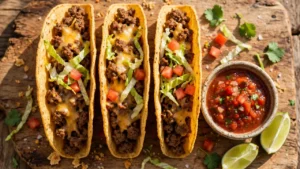
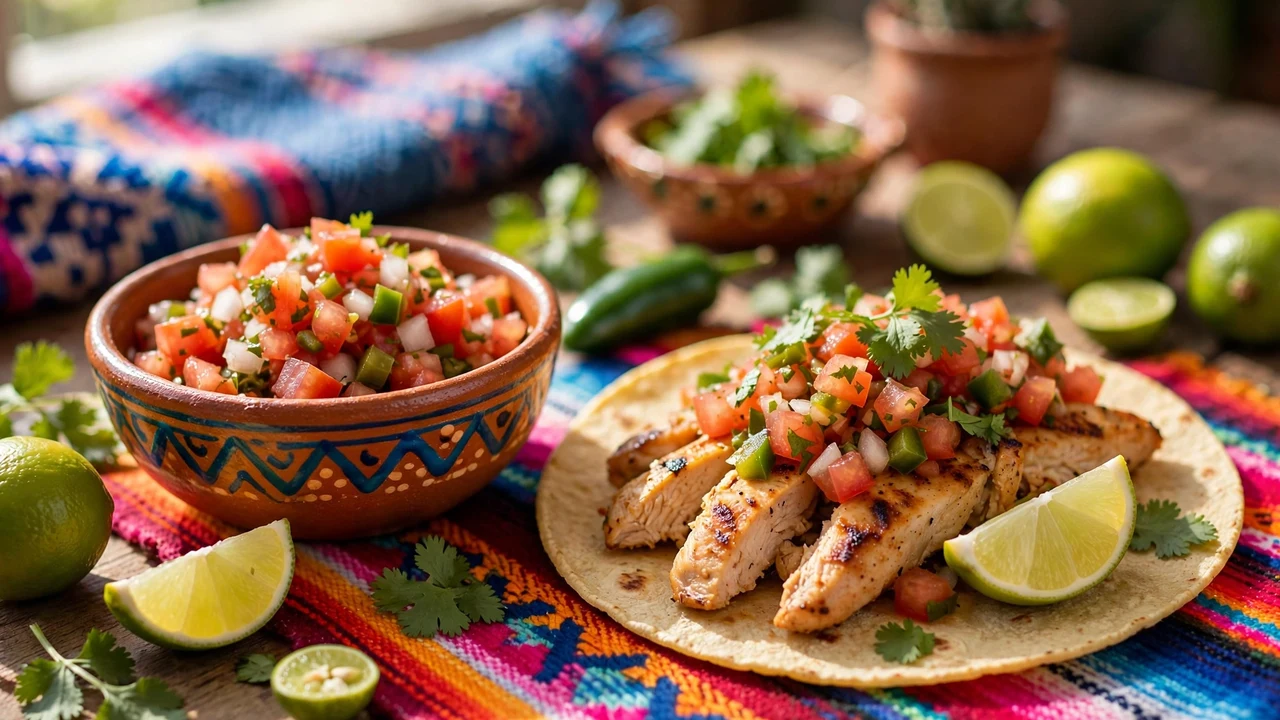
This is pico de gallo at its best. A spoonful over tacos, burrito bowls, tostadas, or enchiladas adds acid and crunch that cut through rich meat and cheese. The source author layers it over salsa for double flavor, and it is the same idea as the tomato salsa in a Chipotle burrito bowl order.
With Tortilla Chips
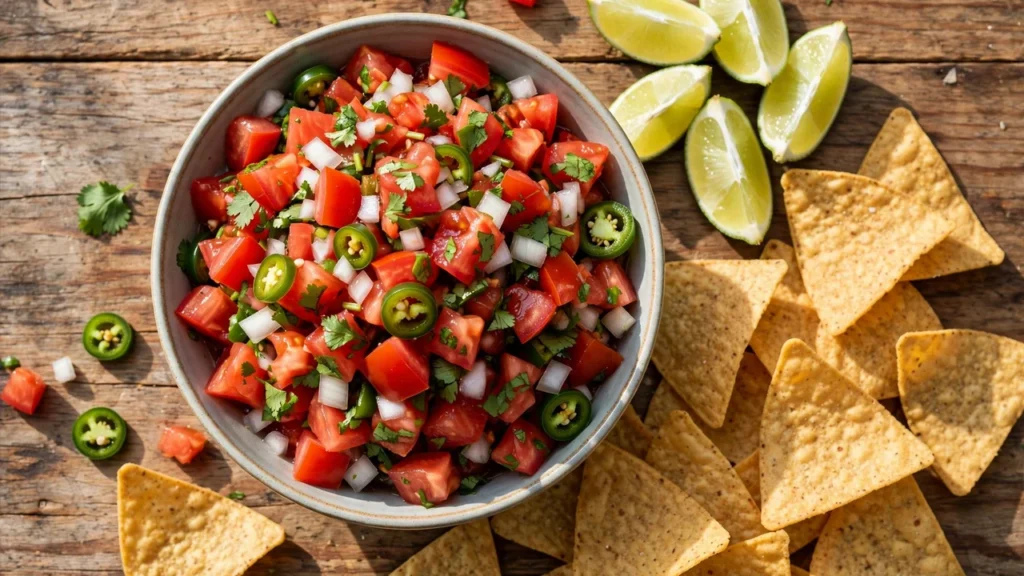
As a dip, pico de gallo is at its simplest and most honest. Use a slotted spoon so the chips stay crisp, and expect the bowl to disappear fast. It is low in calories, about 8 to 10 calories per 2 tablespoon serving by USDA based listings, so it is a smarter dip than queso or ranch.
With Eggs and Breakfast
Pico de gallo belongs on huevos rancheros, scrambled eggs, and breakfast tacos. The recipe author puts it on eggs, tortillas, beans, and even spaghetti, and the point stands: anything that wants a fresh, salty, acidic topping takes pico de gallo well.
Picky Eats
For spice sensitive eaters, remove the jalapeno ribs and seeds, or leave the pepper out entirely and add it back to taste. One pepper in a 4 cup batch is mild to medium heat for most people, and a serrano is hotter than a jalapeno, so start with jalapeno. For cilantro haters, the source says you can cut the cilantro right down or leave it out, though she does not recommend parsley as a substitute. Kids usually like the tomato and lime parts, so serve their portion before you stir in the jalapeno, or chop a small plain batch first.
Parents Review and Family Tips
This is a good first recipe for kids to help with, because there is no heat and no cooking. Let them squeeze the limes, tear the cilantro, and stir the bowl. Keep the knife work for adults, since everything needs a fine chop. Make it in the afternoon and let it rest in the fridge, and it is ready for dinner with zero last minute work. One batch serves about eight as a topping or dip, so double it for a party.
Nutrition and Carbohydrate Information
The Cookie and Kate page states its nutrition figure is an estimate from an online nutrition calculator, and it does not print the figures in the page text we checked. The figures below are USDA based listings for fresh pico de gallo, labeled as estimates, and they disagree slightly between calculators because serving sizes differ. Treat them as a guide, not a label.
| Serving | Calories | Carbs | Fat | Protein | Sodium |
| 2 tablespoons, about 30 g | About 8 to 10 kcal | About 2 g | About 0 g | About 0 to 1 g | About 120 to 190 mg |
| 100 g, about 7 tablespoons | About 26 kcal | About 5.4 g | About 0.1 g | About 0.3 g | About 200 mg |
Source and method: USDA FoodData based listings for pico de gallo, as reported by current nutrition sites in October 2026, plus the recipe page’s own statement that its figures are calculator estimates. The two rows above disagree on sodium because different listings use different salt amounts, and the recipe’s 3/4 teaspoon of salt for a 4 cup batch sits at the lower end. Pico de gallo is vegan, gluten free, dairy free, egg free, nut free, and soy free, and it is very low in carbs, about 1.6 g per 2 tablespoon serving.
What to Know Before You Make It
- Use ripe red tomatoes. Roma tomatoes are a good choice because they are less watery, but any beautiful red ripe tomato works. Core them and remove the seeds before chopping.
- In winter, cherry tomatoes hold flavor better than large out of season tomatoes. Chop them small and give the finished pico extra time to marinate, because cherry tomatoes are firmer.
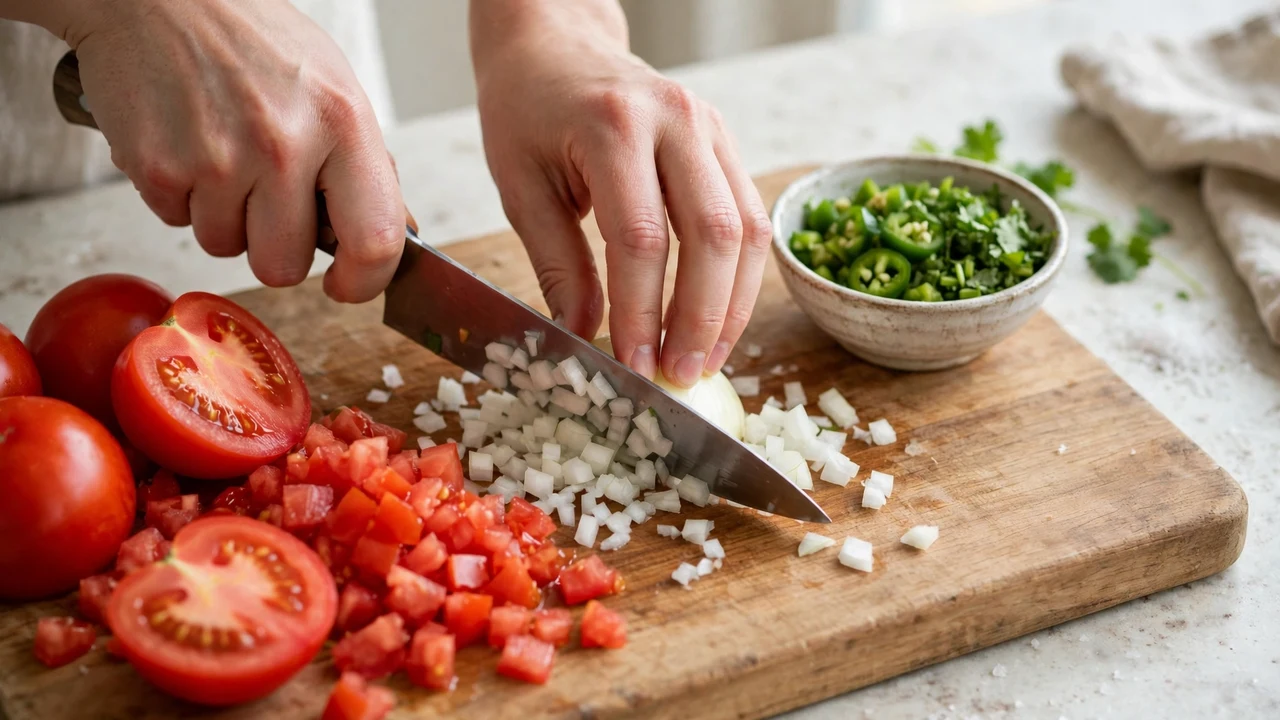
- Chop everything finely. The flavor reward is real, and big chunks make the dip hard to scoop.
- Marinate the onion, jalapeno, lime juice, and salt for about 5 minutes while you chop the tomatoes and cilantro.
- Rest the finished pico for 15 minutes before serving, or refrigerate it for several hours or overnight for deeper flavor.
- Serve with a slotted spoon. Tomato juice pools at the bottom of the bowl, and a slotted spoon keeps it off the chips.
Is It Worth Making
Yes. For about $5 and 20 minutes you get a fresh salsa that beats most jarred salsa and most restaurant pico, and it keeps for four days in the fridge. The only real risk is bad tomatoes, so buy the best red ones you can find, or wait for tomato season. If your tomatoes are sad and pink, make something else and try again when they are ripe.
Frequently Asked Questions
What ingredients do I need for classic pico de gallo?
Ripe red tomatoes, white onion, jalapeno, cilantro, lime juice, and salt. That is five ingredients plus salt, and the Cookie and Kate recipe uses 1 1/2 pounds of tomatoes, 1 cup of onion, 1 jalapeno, 1/2 cup of cilantro, 1/4 cup of lime juice, and 3/4 teaspoon of salt.
How long does classic pico de gallo take to make?
About 20 minutes in total, including a 5 minute marinade for the onion and jalapeno and a 15 minute rest for the finished bowl. There is no cooking involved.
Can I make classic pico de gallo ahead of time?
Yes. Make it several hours ahead or the night before and refrigerate it covered. The flavor deepens as it rests, and the recipe author says it keeps well for up to 4 days in the refrigerator.
How do I store leftovers from classic pico de gallo?
Cover the bowl and refrigerate it for up to 4 days. Serve leftovers with a slotted spoon, because tomato juice pools at the bottom. Do not freeze it, because the fresh texture is lost.
What is the difference between pico de gallo and salsa?
Pico de gallo always uses raw, diced ingredients, so it is chunky and less wet. Salsa can use roasted or stewed tomatoes and is usually closer to a puree. Both share the same basic ingredients, and both go well with guacamole.
How many calories are in classic pico de gallo?
About 8 to 10 calories per 2 tablespoon serving, by USDA based listings. It is one of the lowest calorie condiments, with almost no fat and about 2 grams of carbs per serving.
Related Food Guides
- What Comes With Taco Bell Menu?
- How Much Is Taco Bell Menu?
- Great Roasted Carrots: Easy Recipe, Ingredients, Steps and Nutrition
- The BEST Easy Fried Rice Recipe (Ready in 15 Minutes!) Full Guide
- Banana Bread Recipe Ingredients, Steps, Nutrition and Tips (With Video)
Sources and Review Notes
Sources: Cookie and Kate, Classic Pico de Gallo, published September 11, 2018, updated August 27, 2024, 4.9 stars from 252 reviews, https://cookieandkate.com/classic-pico-de-gallo-recipe/. Nutrition cross-check: USDA FoodData based listings for fresh pico de gallo, as reported by current nutrition sites in October 2026. What was researched: the full recipe text, ingredients, steps, yield, storage, rating, and publication dates from the source page, plus nutrition figures from USDA based listings. Nothing was invented. Prices are labeled 2026 grocery estimates. The recipe page does not print its own nutrition figures in the text, so the nutrition table uses USDA based estimates and states the disagreement between calculators.