Food Menu Journal | Health Benefits Guide | Beets
9 Impressive Health Benefits of Beets: Nutrition, Uses and Risks
Author and Research Notes
By Food Menu Journal. Published November 4, 2026. This is a researched health benefits guide, not a restaurant visit and not a recipe. We did not visit a farm or a restaurant for this guide, and we did not test beets in a lab. Every fact below comes from Healthline, United States Department of Agriculture nutrient data, and peer reviewed studies cited by those sources. Health claims stay hedged exactly as the sources state them, because most of the evidence comes from small studies or from beet juice, not from eating a normal serving of beets.
Introduction
Beets are one of the most colorful vegetables on the plate, with an earthy flavor, a deep red color and a nutrition profile that has earned them the superfood label in many guides. The 9 impressive health benefits of beets covered in this guide come from Healthline, whose article of the same name lists nine evidence based benefits, from nutrients and blood pressure to athletic performance, digestion, brain health and energy balance.
This guide walks through the 9 impressive health benefits of beets one by one, in Healthline order, with the nutrition panel, the study sizes behind the biggest claims, and the cautions to know before eating a large amount every day. It also states plainly where sources disagree: Healthline lists 9 benefits, ScienceInsights lists 10 and MedicineNet lists 11.
One warning up front: this guide makes no detox claim and no disease cure claim. Healthline itself says beets do not detox the body, because the liver and kidneys do that work. If you take blood pressure medicine, have a history of kidney stones, or plan a large daily intake of beet juice, talk to a doctor first.
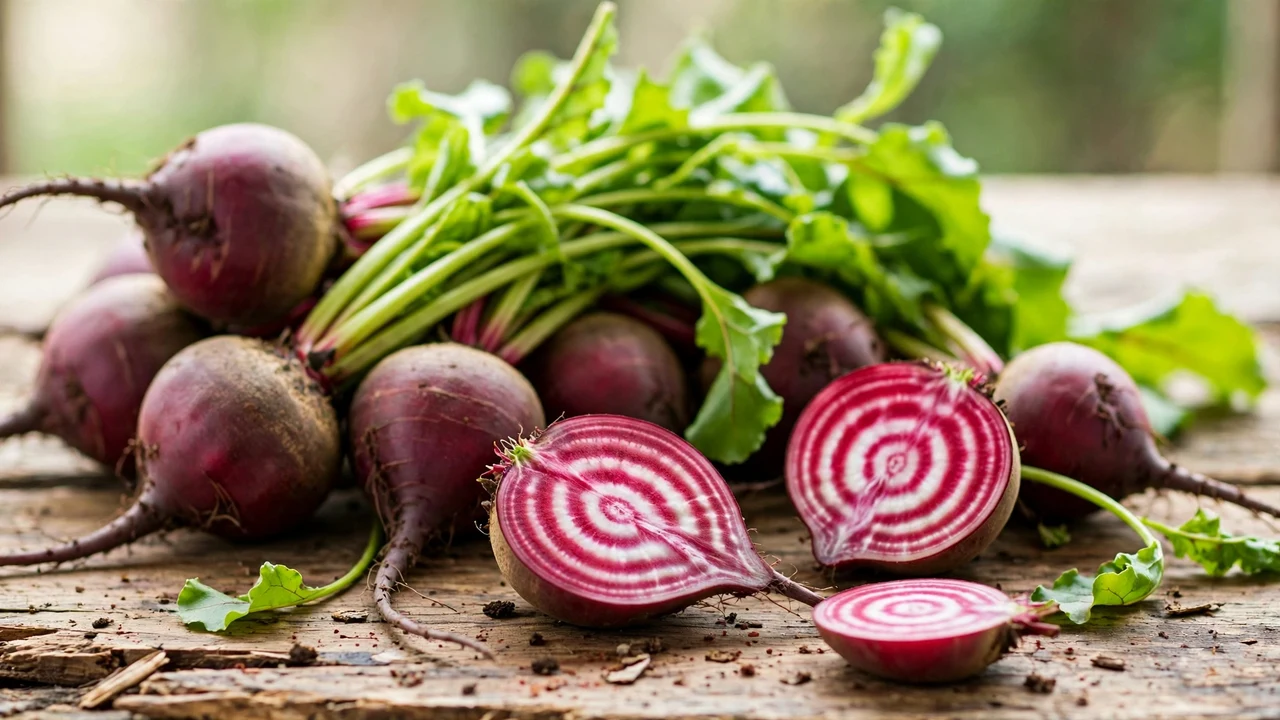
Beets at a Glance
The 9 impressive health benefits of beets start with a simple fact: beets pack a lot of nutrition into very few calories. Here is the quick summary before the detail.
| Detail | What to know |
|---|---|
| Vegetable | Beetroot, also called beets, a root vegetable with edible greens |
| Calories | 44 calories per 100 g of boiled beetroot |
| Key nutrients | Folate 20% of daily value, manganese 14%, copper 8%, potassium 7% |
| Key compounds | Dietary nitrates, betalains (betanin), betaine, fiber |
| Best ways to eat | Raw, juiced, roasted, steamed or pickled; boiling may lose nitrates |
| Main cautions | Low blood pressure, kidney stones, beeturia, FODMAP fructans |
| Evidence level | Small human studies and juice trials; more research needed for several benefits |
Why We Researched Beets
We researched the 9 impressive health benefits of beets because beets keep showing up in two different conversations: athletes drink beet juice before training, and home cooks roast beets for salads and side dishes. Both groups ask whether the claims hold up. Some benefits, like the nutrient profile and the fiber content, are settled facts from nutrient data. Others, like blood pressure and athletic performance, rest on real but small studies, mostly using beet juice rather than whole beets. A few, like the anticancer findings, come from test tube studies and need much more human research.
Here are the 9 impressive health benefits of beets in Healthline order, with a one line summary of each. The sections below give the detail, the study context and the limits.
| Benefit | Summary |
|---|---|
| 1. Many nutrients, few calories | 44 calories per 100 g, with folate, manganese and copper |
| 2. May help blood pressure | Nitrates convert to nitric oxide, which relaxes blood vessels |
| 3. May improve athletic performance | Nitrates may improve endurance and time to exhaustion |
| 4. May help fight inflammation | Betalains; one study of 24 people over 2 weeks |
| 5. May improve digestive health | 1 cup has 3.4 g of fiber, which feeds gut bacteria |
| 6. May support brain health | Nitrates may improve blood flow to the frontal lobe |
| 7. May have some anticancer properties | Test tube studies only; more human research needed |
| 8. May help balance energy intake | Low in calories, high in water, with protein and fiber |
| 9. Ways to eat beets | Raw, juiced, roasted, steamed, pickled or as a dip |
The 9 Benefits in Detail
Below is each of the 9 impressive health benefits of beets in full, with what the source says, what the studies actually tested, and where the evidence stops. Keep the hedging in mind: may and could are doing real work here, because several benefits are supported by small trials or by juice studies rather than by eating whole beets.
Benefit 1: Many Nutrients and Few Calories
The first of the 9 impressive health benefits of beets is the simplest and the best supported: beets are low in calories yet high in vitamins and minerals. A 100 g serving of boiled beetroot has 44 calories, 1.68 g of protein, 0.18 g of fat, 9.96 g of carbs and 2 g of fiber. Folate stands out at 20% of the daily value, and manganese follows at 14%. Copper gives 8%, potassium 7%, magnesium 6%, and vitamin C, vitamin B6 and iron each give 4% of the daily value.
Folate plays a key role in growth, development and heart health. Manganese is involved in bone formation, nutrient metabolism and brain function. Copper is needed for energy production and the synthesis of certain neurotransmitters. Beets are also about 88% water, with 8.7% carbs and 2 to 3% fiber, and their plant compounds include betanin, the red pigment, and inorganic nitrate.
Benefit 2: May Help Keep Blood Pressure in Check
The second of the 9 impressive health benefits of beets is the most studied: beets may help keep blood pressure in check. The mechanism is clear. Beets are rich in dietary nitrates, and the body converts those nitrates into nitric oxide, a molecule that dilates blood vessels and causes blood pressure levels to drop. Research shows beetroot juice could significantly lower both systolic and diastolic blood pressure.
The numbers behind that claim come from juice studies, and the dose matters. A 2024 meta-analysis of 11 trials with 349 people with high blood pressure found beetroot juice reduced clinical systolic blood pressure by an average of 5.31 mmHg, at a dose of 200 to 800 mg of dietary nitrate a day, about 1 to 2 cups of juice. The same analysis found no significant effect on diastolic or 24 hour blood pressure, and rated the certainty of the evidence as low. A separate four week trial in 68 people drinking 250 mL of beetroot juice a day found a systolic drop of about 7.7 mmHg. These are juice studies: a normal serving of beets gives a smaller nitrate dose, so do not expect the same effect size from a side dish.
Benefit 3: May Improve Athletic Performance
The third of the 9 impressive health benefits of beets is the one athletes care about most: beets for athletes may improve performance. Several studies suggest dietary nitrates may enhance performance by improving the efficiency of mitochondria, the parts of cells that produce energy. One review found beetroot juice could enhance endurance by increasing how long it takes to become exhausted and improving efficiency for athletes.
Timing matters as much as dose. Blood nitrate levels peak within 2 to 3 hours of consuming beets or their juice, so it is best to consume them a couple of hours before training. Most positive studies used 6 to 8 mmol of nitrate, about 370 to 500 mg, roughly a concentrated beet juice shot or a large glass of juice. A 2017 review of 23 trials found the clearest beet juice benefits in time to exhaustion, muscular endurance and peak power.
Benefit 4: May Help Fight Inflammation
The fourth of the 9 impressive health benefits of beets is that beets may help fight inflammation. Beets contain pigments called betalains, which possess a number of anti-inflammatory properties. Chronic inflammation has been associated with conditions like obesity, heart disease, liver disease and cancer, which is why this benefit gets so much attention.
The human evidence is thin but specific. One study in 24 people with high blood pressure found that 250 mL of beet juice for 2 weeks significantly reduced markers of inflammation, including C-reactive protein (CRP) and tumor necrosis factor-alpha (TNF-alpha). An older 2014 study in people with osteoarthritis found that betalain capsules made with beetroot extract reduced pain. Healthline is clear: more human studies are needed to see whether eating beets in typical amounts gives the same benefits.
Benefit 5: May Improve Digestive Health
The fifth of the 9 impressive health benefits of beets is digestive health. One cup of beetroot contains 3.4 g of fiber, making beets a good fiber source. Fiber bypasses digestion and travels to the colon, where it feeds friendly gut bacteria and adds bulk to stools. That can promote digestive health, keep you regular, and help prevent constipation, inflammatory bowel disease and diverticulitis.
Beets also contain fructans, a type of FODMAP, which feed gut bacteria. That is a benefit for most people and a caution for some: people with irritable bowel syndrome may find that fructans cause gas or bloating. The fiber figure is solid, because it comes from nutrient data rather than a trial.

Benefit 6: May Support Brain Health
The sixth of the 9 impressive health benefits of beets is brain health. Mental and cognitive functions naturally decline with age, which can increase the risk of neurodegenerative disorders like dementia. The nitrates in beets may improve brain function by promoting the dilation of blood vessels and thus increasing blood flow to the brain. Beets have been shown to improve blood flow to the frontal lobe, an area linked to decision making and working memory.
That finding is promising, but Healthline adds the necessary caution: more research is needed to determine whether beets could improve brain function and reduce the risk of dementia among the general population. Improved blood flow in a study is not the same as a lower dementia risk in real life, which is why this entry in the 9 impressive health benefits of beets carries the caution with it.
Benefit 7: May Have Some Anticancer Properties
The seventh of the 9 impressive health benefits of beets needs the most careful wording. Beetroot contains several compounds with cancer fighting properties, including betaine, ferulic acid, rutin, kaempferol and caffeic acid. Test tube studies have shown that beetroot extract can slow the division and growth of cancer cells, and a 2019 study suggests that higher blood levels of betaine may be associated with a lower risk of developing cancer.
The limit is large. Most studies on the topic used isolated compounds rather than beetroot itself, so further research on beetroot as part of a well rounded diet and cancer risk is needed. A compound slowing cancer cells in a test tube does not mean eating beets prevents or treats cancer, and this entry in the 9 impressive health benefits of beets is written with the most caution of all nine.
Benefit 8: May Help Balance Energy Intake
The eighth of the 9 impressive health benefits of beets is about weight and energy balance. Beets are low in fat and calories but high in water, which can help balance energy intake. Increasing intake of low calorie foods like this root vegetable has also been associated with weight loss. Despite their low calorie content, beets contain moderate amounts of protein and fiber, and both nutrients can make it easier to achieve and maintain a moderate weight.
Beets also make it easy to eat more vegetables. By including them in smoothies or other recipes, you can increase your intake of fruits and vegetables and improve the quality of your diet. None of this means beets cause weight loss on their own.
Benefit 9: Ways to Eat Beets
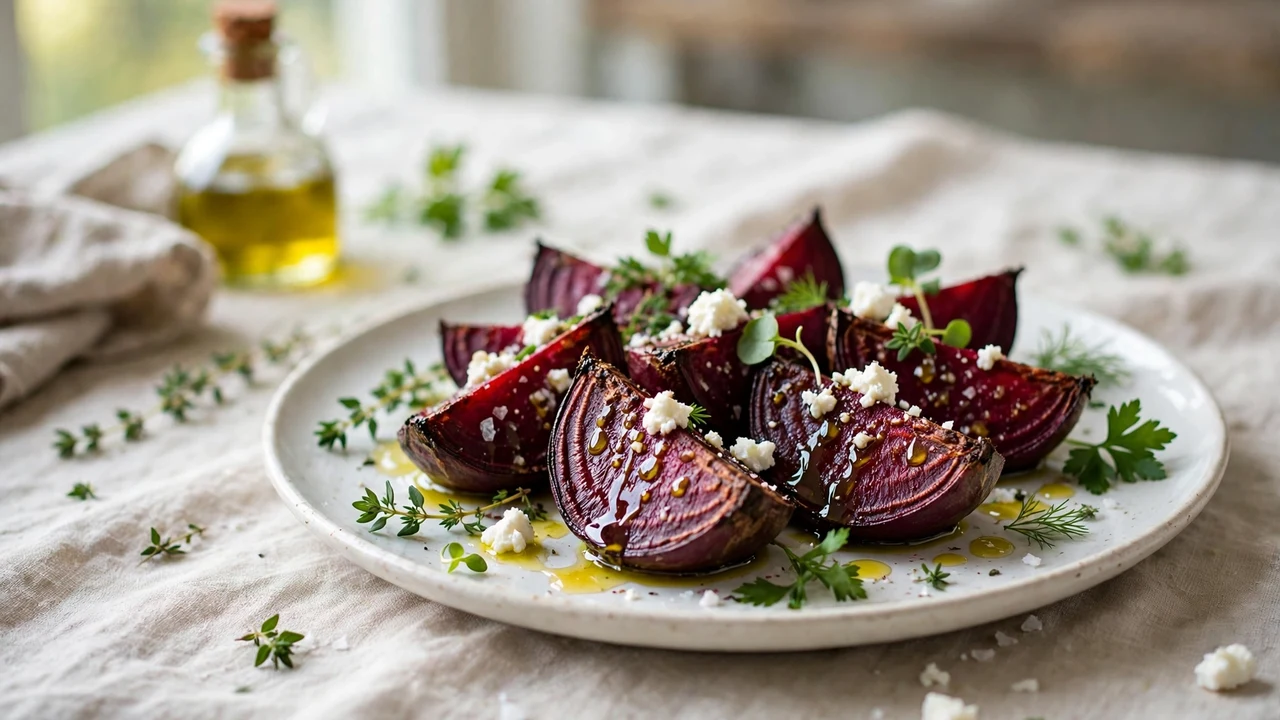
The ninth of the 9 impressive health benefits of beets is practical: beets are easy to add to your diet, and how you prepare them changes what you get from them. Healthline notes that eating beets raw or juicing and roasting them may be more beneficial than boiling them, because dietary nitrates are water soluble and boiling can leach them out. You can juice, roast, steam or pickle beets, buy them precooked and canned, or enjoy them raw, sliced thinly or grated.
Choose beets that feel heavy for their size with fresh, unwilted green leafy tops still attached. Healthline suggests grated beets in salads, beets blended with Greek yogurt and fresh garlic as a dip, fresh beetroot juice, borscht soup, cooked beet leaves used like spinach, and roasted beet wedges with olive oil and herbs at 400F (205C) for 15 to 20 minutes. Fresh juice is typically better than store bought versions, which can be high in added sugar.

Picky Eats: Beets for Fussy Eaters
Beets are a hard sell for picky eaters because of their earthy flavor and their strong color, which stains hands, plates and clothes. The 9 impressive health benefits of beets do not help if nobody at the table will eat them, so the preparation matters more than the pitch. Roasting is the friendliest start: roasting at 400F for 15 to 20 minutes softens the earthy edge and adds caramelized sweetness. Small wedges in a salad with orange segments and walnuts work better than a plain pile of boiled beets, because the citrus and crunch balance the flavor. A beet dip blended with Greek yogurt and garlic is another gentle entry point.
Parents Review and Family Tips
For families, the 9 impressive health benefits of beets come with practical notes. Beets are cheap, keep well, and work in salads, soups, dips and juices, but they stain, so use an apron and a dark cutting board, or peel them under running water. Cook beet leaves like spinach rather than throwing them away. For children, start with small amounts: a few roasted wedges, or grated beet in coleslaw, rather than a full serving of beet juice. Warn the family about beeturia in advance, because red urine or stool after eating beets is usually harmless but alarming if nobody expects it.
Nutrition and Carbohydrate Information
The 9 impressive health benefits of beets rest on the beets nutrition panel below, which comes from Healthline citing United States Department of Agriculture data for 100 g of boiled beetroot. The figures are the published USDA values, not a lab test by Food Menu Journal, and not an estimate from a recipe calculator. One cup of cooked beets has about 3.4 g of fiber, a different serving measure from the 100 g panel, which lists 2 g.
| Nutrient (100 g boiled beetroot) | Amount |
|---|---|
| Calories | 44 |
| Protein | 1.68 g |
| Fat | 0.18 g |
| Carbohydrates | 9.96 g |
| Fiber | 2 g |
| Folate | 20% of daily value |
| Manganese | 14% of daily value |
| Copper | 8% of daily value |
| Potassium | 7% of daily value |
| Magnesium | 6% of daily value |
| Vitamin C | 4% of daily value |
| Vitamin B6 | 4% of daily value |
| Iron | 4% of daily value |
Beets are 88% water, with 8.7% carbs and 2 to 3% fiber. The carbohydrate load is modest, about 10 g per 100 g, and the fiber slows digestion, which helps keep blood sugar steadier than the same carbs from a low fiber food. Beetroot juice blunted the blood sugar spike in the first 30 minutes after eating in one study, but that finding comes from juice trials and needs more research. Beets also contain natural sugars, so people watching blood sugar should count the carbs and keep portions moderate.
What to Know Before Eating Beets Every Day
The 9 impressive health benefits of beets are only half the story. A high daily intake of beets could cause low blood pressure, so anyone who already has low blood pressure, or takes blood pressure medicine, should be careful with large amounts of beet juice. Beets are high in oxalates, which can contribute to calcium oxalate kidney stones in people who are prone to them, and may also be a concern for gout. Red or pink urine and stool, called beeturia, is common and usually harmless: about 10 to 14% of people experience it, caused by betalain pigments, not by blood. Beets contain fructans, a FODMAP, which can cause gas or bloating in people with irritable bowel syndrome.
- Low blood pressure: a large daily intake of beet juice could push blood pressure too low.
- Kidney stones and gout: oxalates in beets can add to calcium oxalate stone risk in prone people.
- Beeturia: red or pink urine and stool in about 10 to 14% of people, usually harmless.
- FODMAP fructans: gas or bloating for some people with irritable bowel syndrome.
- Medicine interactions: nitrates add to the effect of blood pressure medicine, so check with a doctor first.
Is It Worth Adding Beets to Your Diet
Yes, for most people, with the hedging kept in place. The 9 impressive health benefits of beets add up to a strong case for eating beets regularly in normal amounts: cheap, low in calories, rich in folate and manganese, a good fiber source, and easy to cook in many ways. The blood pressure and athletic performance benefits have real evidence behind them, but only at juice level doses, so a side of roasted beets is a healthy choice, not a treatment. The brain, inflammation and anticancer benefits are plausible, but the human evidence is early. So, are beets good for you? For most people, yes.
Frequently Asked Questions
What are the 9 impressive health benefits of beets?
The 9 impressive health benefits of beets, in Healthline order, are: many nutrients with few calories, may help blood pressure, may improve athletic performance, may help fight inflammation, may improve digestive health, may support brain health, may have some anticancer properties, may help balance energy intake, and the many ways to eat beets. Other sources count differently: ScienceInsights lists 10 and MedicineNet lists 11, so the number depends on the source.
Can you eat beets every day?
It is always best to follow a varied diet. Eating a small amount of beetroot every day is unlikely to do any harm, but a high intake could lead to low blood pressure, red or black urine and feces, and digestive problems for anyone with a sensitivity to the nutrients. Always speak with a doctor before making significant dietary changes.
Do beets lower blood pressure?
Beetroot juice may lower systolic blood pressure. A 2024 meta-analysis of 11 trials with 349 people with high blood pressure found an average reduction of 5.31 mmHg, at a dose of 200 to 800 mg of dietary nitrate a day, about 1 to 2 cups of juice. The same analysis found no significant effect on diastolic or 24 hour blood pressure, and rated the evidence certainty as low. This is the core of the beets blood pressure evidence: real, modest, and based on juice.
Are beets good for athletes?
Beets may help athletic performance, one of the 9 impressive health benefits of beets. Reviews find the clearest gains in time to exhaustion, muscular endurance and peak power, while fixed distance time trials are less consistent. Most positive studies used 6 to 8 mmol of nitrate, about 370 to 500 mg, taken 2 to 3 hours before training, when blood nitrate levels peak.
Do beets detox the body?
No. Beets are rich in antioxidants and have anti-inflammatory properties, but beets do not detox the body. The liver and kidneys are the organs that remove toxins. The 9 impressive health benefits of beets include no detox claim, and this guide makes none either.
Are beets a superfood?
Some people call beets a superfood because they are rich in essential nutrients. The 9 impressive health benefits of beets support that label in the loose sense: 44 calories per 100 g, folate at 20% of daily value, manganese at 14%, plus nitrates, betalains and fiber. Superfood is a marketing word, not a medical term, so read it as shorthand for nutrient dense, not as a promise of a cure.
Related Food Guides
- Chili Recipe: Easy Homemade Chili, Ingredients, Steps, Nutrition and Tips
- Easy Homemade Lasagna Recipe: Full Guide
- Easy Fried Rice Recipe
- How to Cook Perfect Bacon in the Oven (So Crispy)
- Banana Bread Recipe: Ingredients, Steps, Nutrition and Tips
Sources and Review Notes
This guide is a researched summary, not original research and not medical advice. The 9 impressive health benefits of beets, the 100 g nutrition panel, the study sizes and the cautions come from Healthline, 9 Impressive Health Benefits of Beets, rechecked live on November 4, 2026, at https://www.healthline.com/nutrition/benefits-of-beets. The blood pressure figures come from Gronroos and colleagues, Effects of beetroot juice on blood pressure in hypertension, Nutrition, Metabolism and Cardiovascular Diseases, 2024: 11 trials, 349 patients, systolic reduction 5.31 mmHg, dose 200 to 800 mg nitrate a day, low certainty of evidence. The athletic performance context comes from Dominguez and colleagues, Nutrients, 2017, 23 trials, and the 68 person, four week trial with a 7.7 mmHg systolic drop is Kapil and colleagues, 2015. Cautions were cross-checked against Healthline, ScienceInsights, MedicineNet and Reader’s Digest on November 3 and 4, 2026. ChatGPT and Claude cannot be read from here, so no AI chatbot sources were used, and SBMM does not run in this browser, so no SBMM score is claimed. The benefit count differs across sources: 9 in Healthline, 10 in ScienceInsights, 11 in MedicineNet, and this guide follows Healthline. Sexual health, detox and skin claims from MedicineNet were not copied in, and Healthline states that beets do not detox the body.
Conclusion
The 9 impressive health benefits of beets make a clear case for a humble vegetable: few calories, strong nutrients, fiber, nitrates and betalains, with real but modest evidence for blood pressure and endurance, and early evidence for brain health, inflammation and cancer related compounds. Eat beets roasted, raw, juiced or in salads, keep portions normal, vary your diet, and talk to a doctor before a large daily intake, especially if you take blood pressure medicine or have a history of kidney stones.